Primary partnerships
STEM Week 2026
Monday 9 March – Friday 13 March
Sevenoaks School will be taking part in British Science Week 2026. This year’s theme, Curiosity: What’s Your Question? encourages everyone to embrace curiosity as the starting point of discovery.
Science is not just about answers — it begins with questions. By asking “why,” “how,” and “what if,” we open the door to new ideas, experiments, and innovations. Pupils will be inspired to explore their own questions about the world around them, whether it’s the mysteries of space, the wonders of nature, or the science behind everyday life.
Why does Curiosity matter?
- Develops critical thinking skills: When we ask “why,” we learn to analyse, evaluate, and think deeply.
- Explores creative solutions to real-world problems: Curiosity pushes us to experiment, innovate, and try new approaches.
- Connects classroom learning to everyday life: Suddenly, maths explains patterns in nature, engineering explains how bridges stand, and science explains the world around us.
- Builds confidence in asking questions: Every great discovery begins with someone brave enough to be curious.
What’s in store?
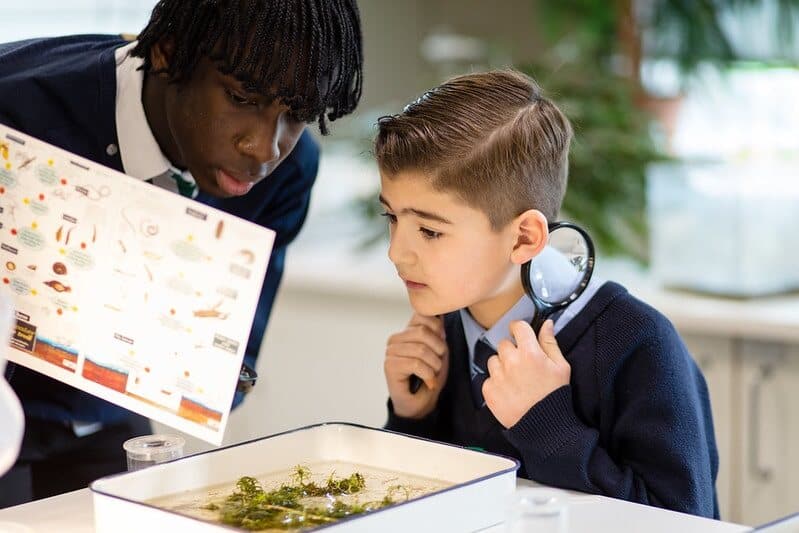
- Science workshops will encourage exploration and problem-solving.
- Guest speakers: STEM professionals and Sevenoaks science teachers will share their enthusiasm and experiences, as well as answer your questions.
- Live science shows will explain big ideas with a whizz and bang!
How do we participate?
After exploring the session details, simply click the ‘Book Here’ button to reserve places for your school.
sessions
The Liquid Nitrogen Show
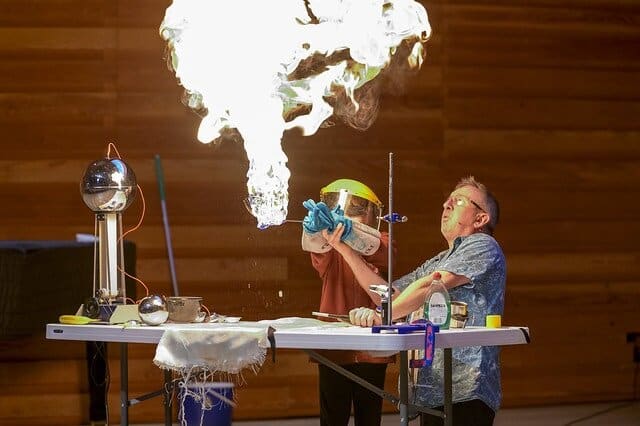
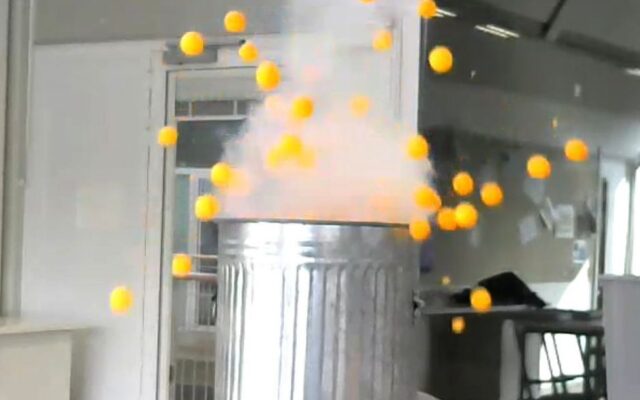 We all know that you can’t hammer in a metal nail with a banana….but is that always the case? Join Mr Tate, Head of Physics, as we use liquid nitrogen to explore the fascinating world of cryogenics and learn what happens when items are cooled down by 200°C. See materials behave in ways you never thought possible.
Biology Workshop: Squid Dissection
Coding Workshop: Modelling Reality with Cellular Automata
Linguistic Codebreaking workshop
Coding workshop: Digital Creativity using Micro:bit
Technology workshop: Soldering and circuits
Technology Workshop: Smart Materials
Biology junior workshop
Physics workshop: Electromagnetism
Royal Institution Show: Energy Live!
Royal Institution Community Show
Chemistry workshop: Mix, change and react!
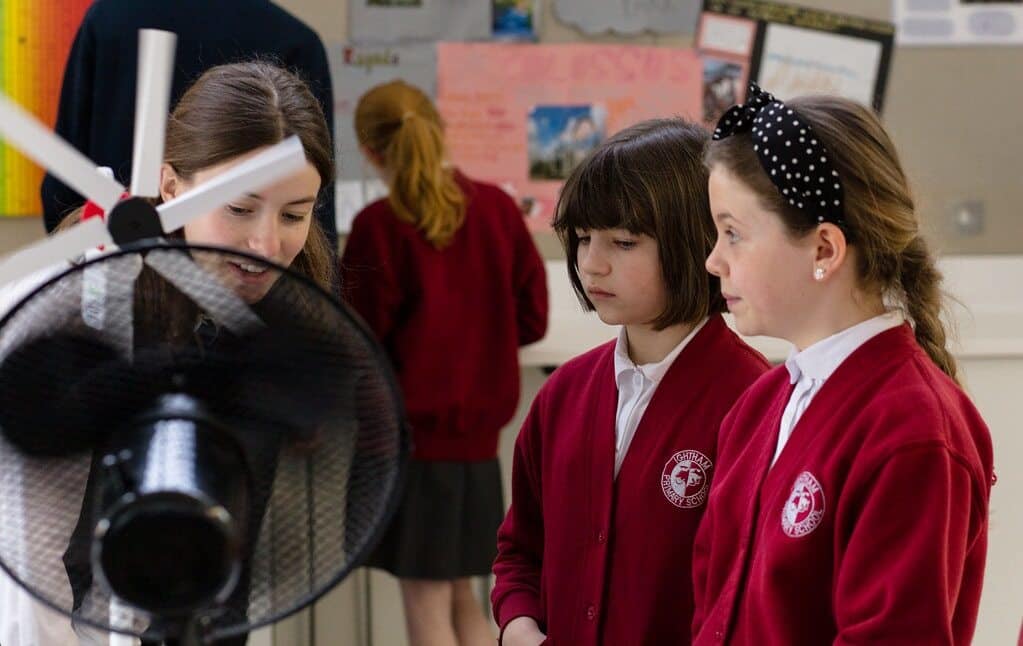
Physics workshop: Renewable energy
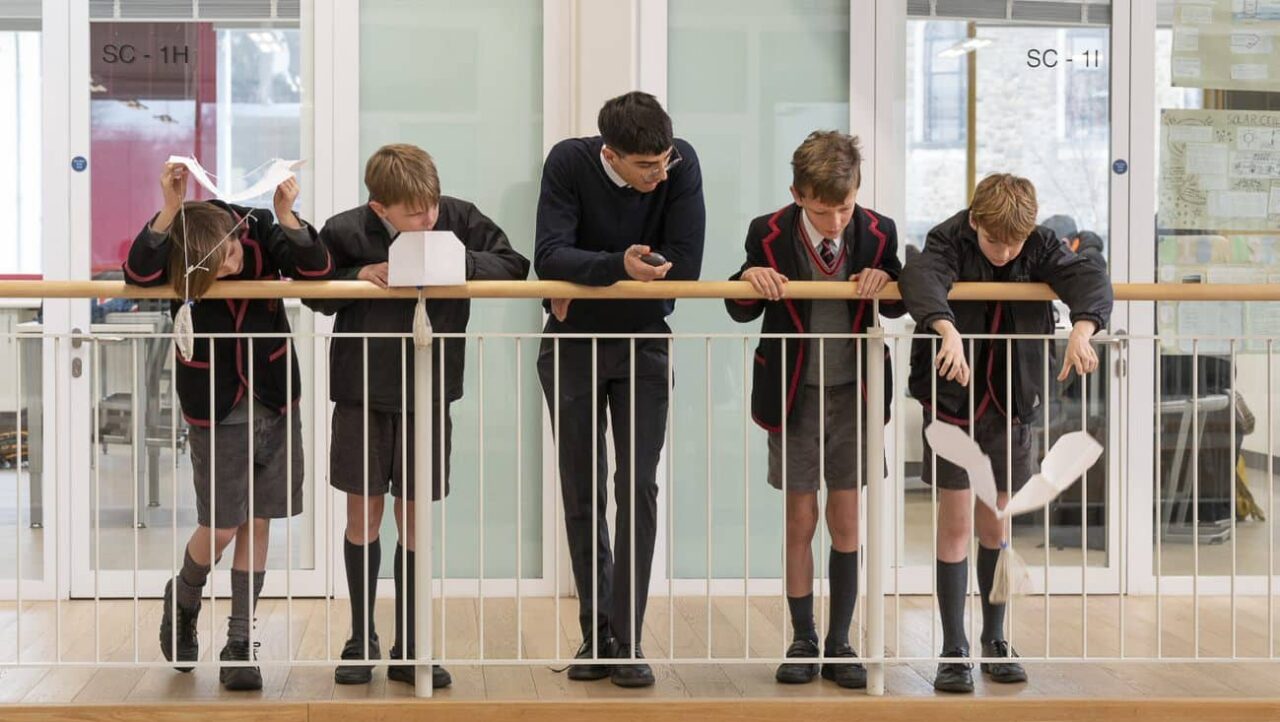
Powerless flight workshop
CPD session for local primary school teachers
Chemistry talk: Drug targeting for the modern age
Biology workshop: The Heart of Clinical Research
Talk: Rebel Women of Mathematics
Maths Talk: Taxicab Geometry
Maths workshop: Game, SET, Maths!
Talk: The Heart of Clinical Research
Teaching seminar: Who’s to blame when a self-driving car kills someone?
Maths workshop: Adventures in topology
Teaching seminar: The politics and ethics of science
Biology workshop: The Science of Food
Computer Science workshop: Machine learning made simple
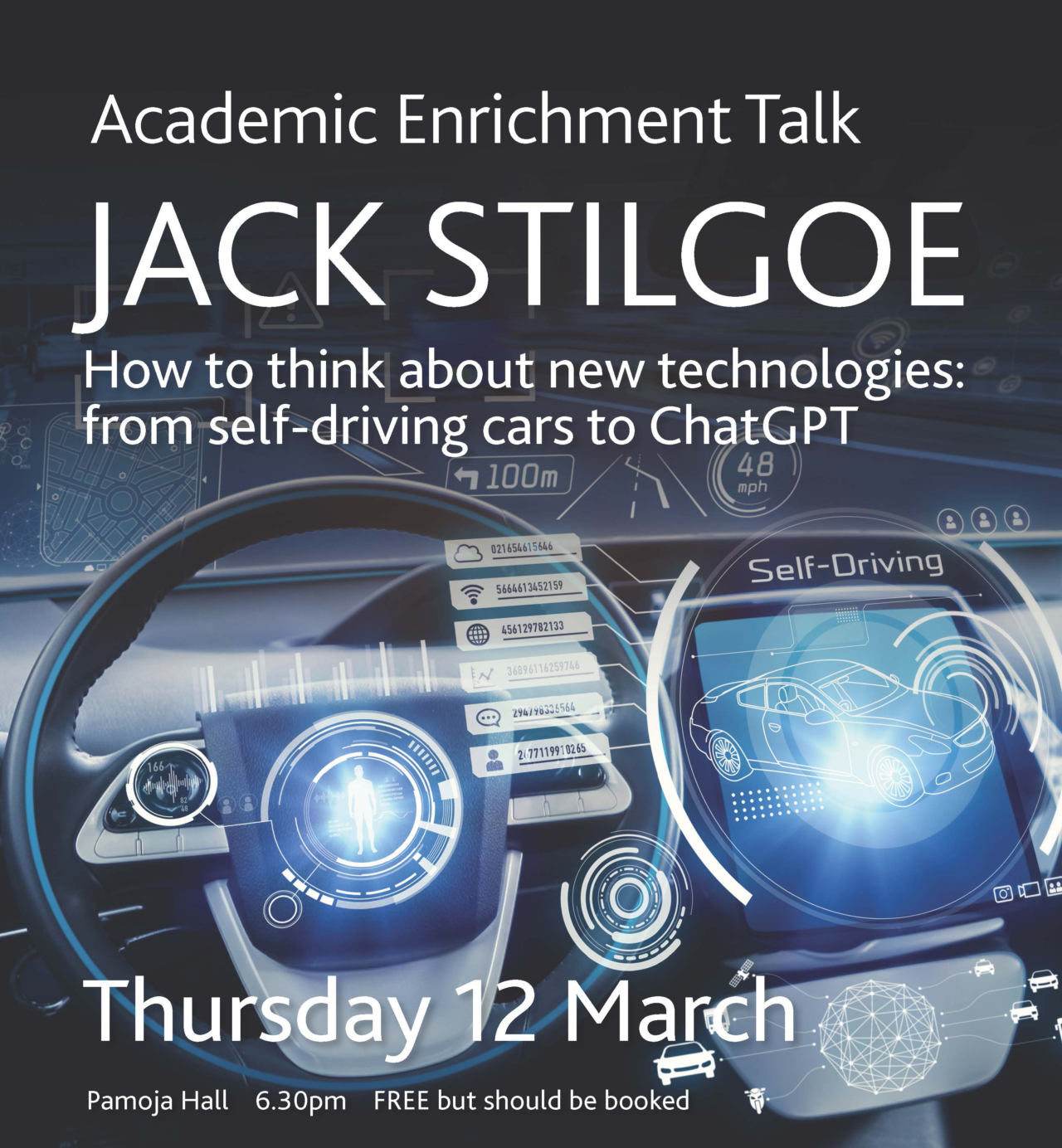
Academic Enrichment Talk
how to think about new technology
From self-driving cars to ChatGPT, technology changes the world in profound ways. It’s often talked about as though it’s an unstoppable force of nature. We forget that technologies are made by real people, whose vision of the future might not be ones that the rest of us want. How can society take back control?
Professor Jack Stilgoe (OS95) returns to Sevenoaks to share his knowledge and explores how new technologies shape our world and how we can guide them responsibly. At University College London (UCL), he teaches and researches in the field of Science and Technology Studies, focusing on innovation, ethics, and society.
Book your places
FUsion magazine

Ever wondered why the sky is blue? Or how chameleons change their colour? How do insects walk on water?
We are looking for more questions like these to add to the our student science magazine, FUSION. Read the latest edition by clicking the front cover for inspiration!
The best contributions will feature in the next edition.
Open to all students in KS1 and KS2.
Submit your question below.
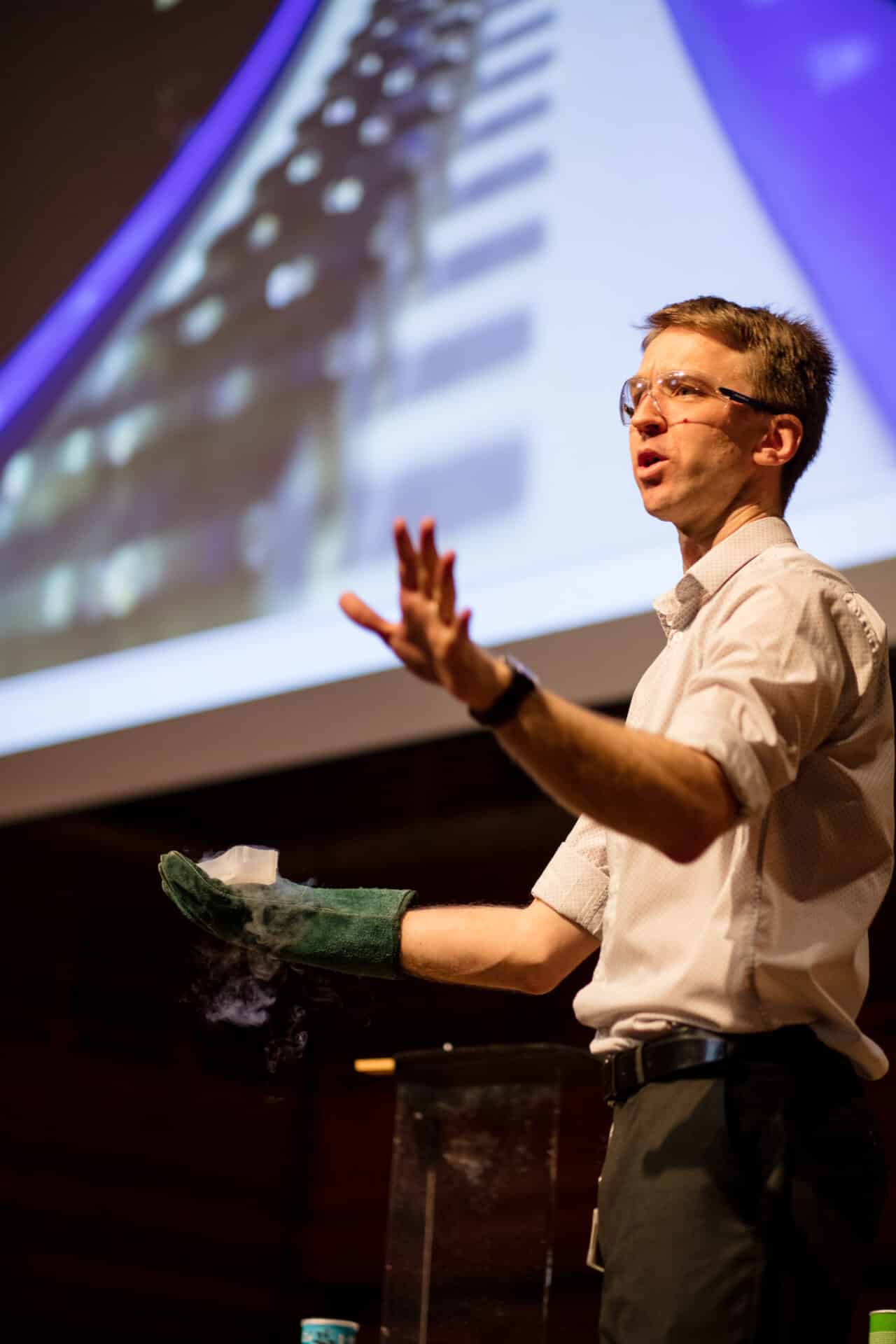
“The children's faces lighting up whenever something fizzed, popped or simply changed state, was a highlight for staff members. As a teacher, the practical demonstrations, especially the liquid nitrogen and energy live shows, provided a hands-on experience that is often challenging to replicate within the confines of a regular classroom.”
Science Lead, Lady Boswell's CE Primary School
Thank you!
Where Next?
Primary partnerships
Read more
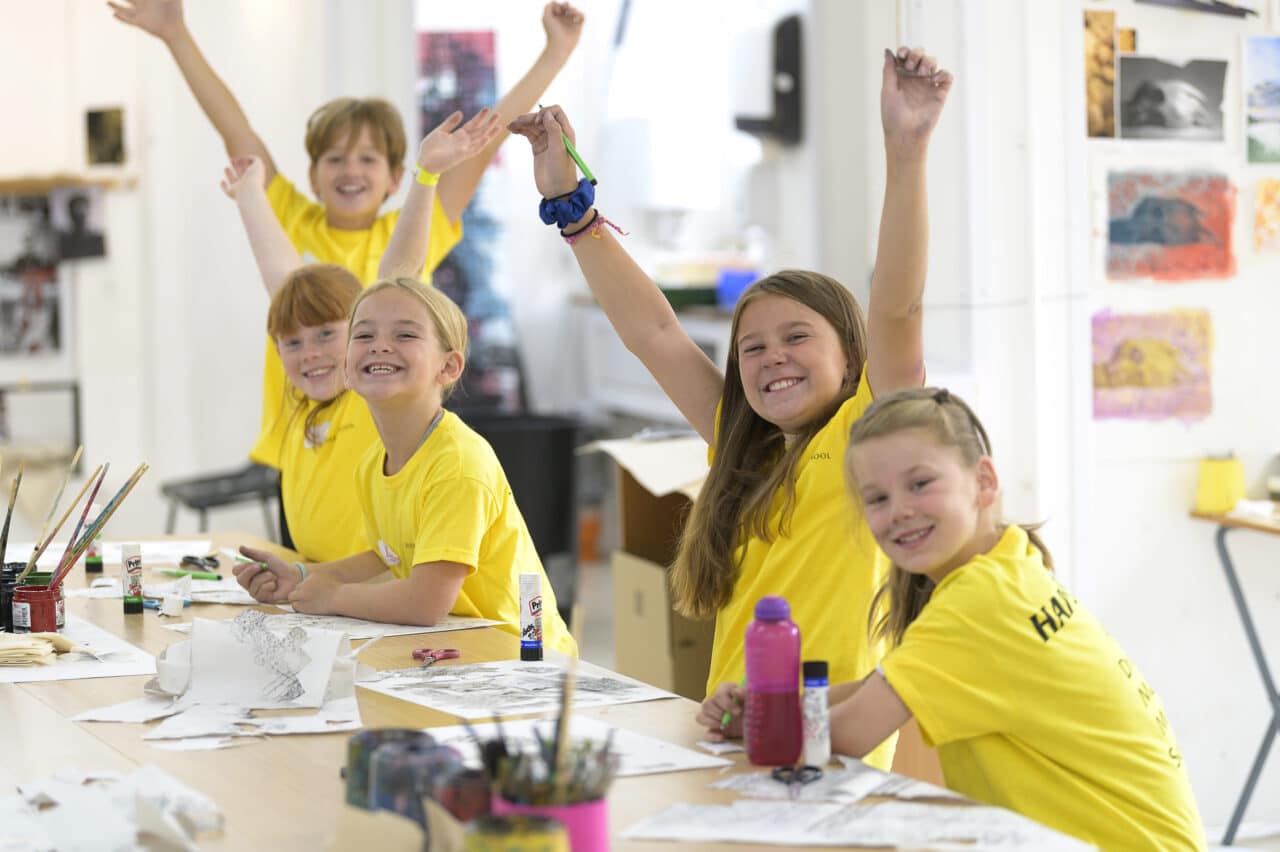
HAPS August 2025
Read more
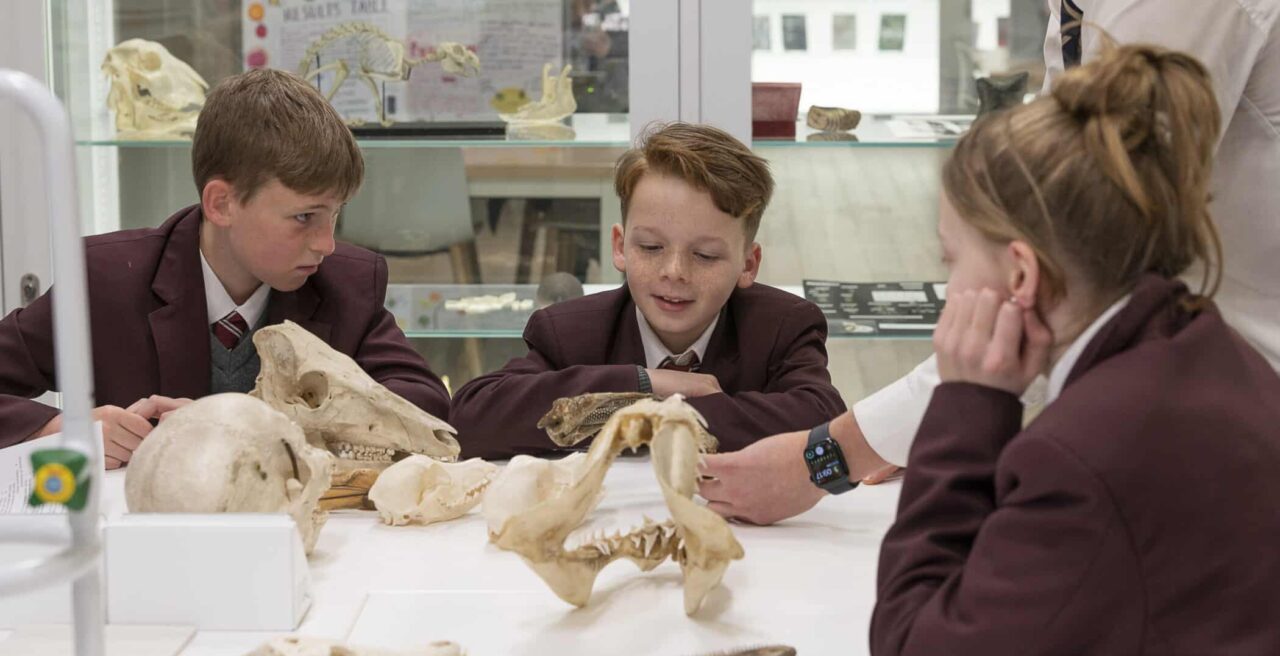
Education boxes
Read more